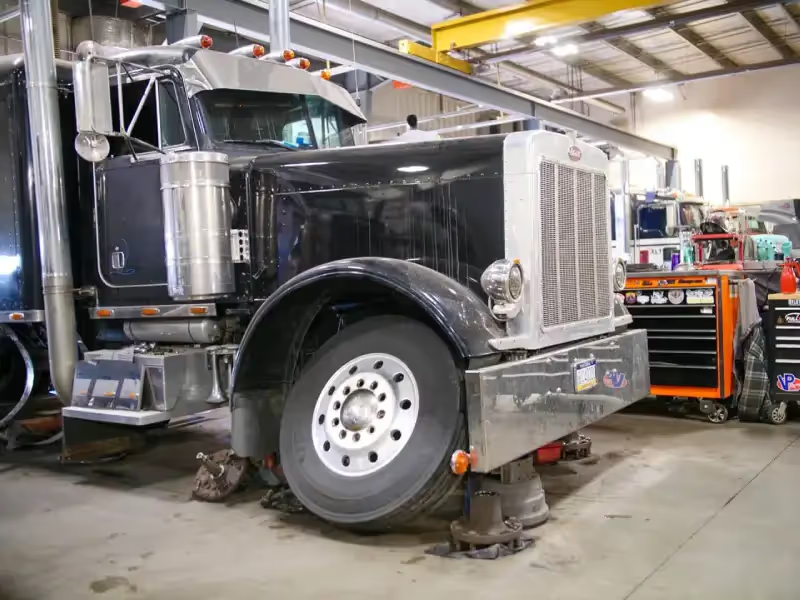
Skip the Tow: Bring the Diesel Repair Shop to Your Semi Truck

When your semi truck needs repairs, getting it to a shop can be a pain. Tows are costly, then add shuffling loads between trucks, changes to a driver's schedule, or, sometimes you need to face the reality that you have to pull equipment out of service longer than expected. For fleet managers and owner-operators, those extra steps mean one thing: more downtime.
That's where mobile diesel repair changes the equation.
Instead of moving your truck to the repair facility, a mobile technician brings the tools and service equipment to your location. Whether your semi is parked at a yard in Lakeland or sitting at another work site in Polk County, certain repairs and maintenance services can be handled right where the truck already is.
Why Tow a Semi Truck When the Repair Can Come to You?
The thing about operating a Class 8 truck is that calling for a tow isn’t like when your car won’t start. Heavy-duty equipment has greater needs. Which means that you need the right towing equipment, and moving the truck adds another step before diagnosis or repairs can even begin.
With mobile diesel repair, you eliminate that trip when the required work can be performed safely and effectively on-site.
That is an important distinction. A mobile technician can arrive at your fleet yard, terminal, parking location, or work site and begin evaluating the truck without transporting it elsewhere first.
For fleets, the benefits become even more noticeable. Instead of sending several trucks to a shop individually, you can potentially have multiple units inspected or serviced on-site.
Mobile Diesel Repair vs. Roadside Assistance
Although you'll sometimes hear the terms used interchangeably, mobile truck repair and roadside assistance aren't necessarily the same service.
Roadside assistance typically addresses unexpected breakdowns. An overheating engine, a tire problem, a loss of oil pressure, or a fuel-system malfunction can leave a driver stranded and require immediate attention.
Mobile fleet maintenance, on the other hand, can include planned work performed at your location. Preventive maintenance and inspections are good examples. Rather than waiting for something to break, you schedule a technician to inspect and service the equipment where it's parked.
Both approaches have one big advantage: the truck doesn't automatically have to go to a traditional repair facility.
What Can a Mobile Diesel Technician Work On?
Modern semi trucks contain interconnected mechanical, electrical, air, cooling, drivetrain, and emissions systems. Depending on the equipment available and the nature of the repair, on-site truck repair can address a range of problems.
Cooling System Problems
Your diesel engine generates substantial heat under load. Coolant circulates through the engine, absorbs that heat, and travels to the radiator, where the cooling system releases it.
A malfunctioning water pump, cooling fan component, or restricted radiator can interfere with that process and contribute to overheating.
If your temperature starts climbing, don't simply keep driving and hope for the best. Excessive heat can turn a manageable cooling-system problem into a much more serious repair.
A mobile diesel mechanic can inspect the truck on-site and determine what needs attention before you put it back into operation.
Air Brake Concerns
Heavy-duty trucks commonly rely on compressed air to operate their braking systems.
That system includes components such as the air compressor, air dryer, air tanks, air lines, service chambers, pushrods, slack adjusters, S-cams, brake shoes, and drums. When you press the brake pedal, compressed air ultimately causes the brake shoes to contact the drums and slow the truck.
With so many components working together, proper inspection matters. Strange braking behavior, air-pressure problems, or visibly worn components deserve attention before the truck returns to regular service.
Electrical and Starting Problems
Turn the key, and several systems start working immediately.
Your batteries supply electrical power needed during startup, while the starter motor turns the crankshaft so the engine can begin running. Once the engine is running, the alternator generates electricity, recharges the batteries and supplies the truck's electrical system.
When something goes wrong in that chain, you may end up with a semi-truck no-start situation.
Bringing diagnostics to the truck can save you from arranging transportation before you even know what's causing the problem.
Aftertreatment Issues
Modern diesel trucks also rely on several components to manage emissions.
The diesel particulate filter (DPF) captures particulate matter, while regeneration helps remove accumulated carbon. The selective catalytic reduction system uses diesel exhaust fluid (DEF) to reduce nitrogen oxide emissions.
Sensor or regeneration problems can interfere with proper aftertreatment operation. In some cases, diagnostics can reveal whether the issue involves the DPF, sensors, the regeneration process, or another related component.
Adding Convenience to Your Day With Mobile Service
Here's where mobile diesel repair can really earn its keep: you don't need to wait for a breakdown.
Preventive maintenance focuses on finding and correcting developing problems before they turn into failures. Regular oil and fluid checks, brake inspections, tire inspections, and other routine evaluations can help keep a heavy truck operating reliably.
For a fleet, scheduling mobile truck maintenance at your yard can also simplify logistics.
Think about the alternative. Drivers may need to take individual trucks to a repair facility, wait for service, and bring them back. Multiply those trips across several units, and you've spent valuable operating time simply moving equipment around.
Bring the maintenance to the fleet, and you cut out unnecessary movement.
When You Need Help
Knowing when to stop is just as important as knowing how to maintain your truck.
Oil-pressure loss is a prime example. Your engine relies on pressurized oil to lubricate critical internal components, including crankshaft bearings. Continuing to run the engine without adequate oil pressure can cause severe engine damage.
Overheating deserves the same caution. If your engine cannot effectively transfer and release heat, continuing down the road may worsen the underlying problem.
Watch for warning lights, gauges, unusual noises, smoke, fluid leaks, air-pressure abnormalities, and sudden changes in performance.
When your truck tells you something is wrong, listen.
Mobile Repair Can Help Polk County Fleets Reduce Downtime
For commercial trucks, downtime isn't merely inconvenient. A truck that's sitting isn't hauling freight, completing a route, or earning revenue.
Mobile diesel repair in Lakeland, FL gives fleets and owner-operators another way to approach that problem. Instead of automatically transporting equipment to a shop, you can have qualifying repairs, diagnostics, inspections, and maintenance performed at the truck's location.
That's especially useful when you operate several trucks from the same yard. One scheduled service visit is often easier to coordinate than moving multiple units back and forth.
Of course, not every repair belongs in a parking lot. Major repairs may require specialized equipment or a controlled shop environment. A proper diagnosis helps determine the appropriate next step.
Let Us Bring The Service To You
Your truck doesn't always need to travel to the repair shop to receive professional attention. Mobile diesel repair can bring diagnostics, maintenance, and qualifying repairs directly to your equipment, helping eliminate unnecessary towing and transportation.
Better yet, mobile service isn't only useful after something goes wrong. Scheduled preventive maintenance can help you catch worn components and developing problems before they cause unexpected downtime.
Need mobile truck repair in Polk County, FL? Contact MTI Mobile Repair to discuss your truck or fleet's service needs and find out whether mobile repair is the right option for the job.
More Articles
The Most Common Errors Diesel Owners Make After a Repair
5 Electrical Components That Frequently Fail in Heavy-Duty Vehicles